

The intersection of pop/rock music and activism is a captivating phenomenon that attracts considerable interest. This fusion of socially conscious music and political messages in music has the power to influence society and promote change. Whether through hard-hitting political songs or musicians’ artistic engagement, pop/rock music and activism come together to create a powerful force.
Pop/rock music has always been a means of expression for artists and audiences. Political songs are an effective way to convey socially conscious messages and raise public awareness of social and political issues. Artists use their voices to address matters such as equality, justice and freedom, and their music thus becomes a platform for promoting change.
Rock culture is synonymous with rebellion, authenticity and freedom from constraints. It gives young people a way to express themselves and challenge the established order. Rock is a form of youth expression, a means of defying social norms and asserting one’s own identity. It has played a major role in bringing bohemian culture to a wider audience and challenging the commercialization of culture.
Electronic music, meanwhile, is another example of the intersection between music and activism. The founder of the Astropolis festival has spoken about the challenges he faced in promoting and protecting electronic music. Despite its evolution and popularity, electronic music must still contend with event safety issues and persistent prejudice. Nevertheless, it remains a powerful way to bring people together, build a community and promote progressive ideas.
Pomme’s artistic commitment to women’s rights is an inspiring example of how music can be used to champion important causes. As an artist, Pomme faces challenges and discrimination in the music industry, but she refuses to remain silent. She uses her voice to raise awareness of the issues affecting women, advocate for equality and give victims a voice.
In conclusion, the intersection of pop/rock music and activism is a powerful combination with the potential to change the world. Whether through political songs, rebellious rock culture or artistic engagement, music is a universal means of communication that can inspire, educate and mobilize people to make a positive impact on society.
Political influence in pop/rock music
The political influence of pop/rock music is undeniable, with many artists using their songs to convey social and political messages. These artists use their musical platform to express their political beliefs and rally their audiences around social and political issues. Whether through hard-hitting lyrics, catchy melodies or committed stage performances, pop/rock music has the power to raise public awareness and bring about change.
Pop/rock music has always been a powerful way to communicate political messages. From classics such as John Lennon’s “Imagine,” which calls for unity and world peace, to protest anthems such as “Give Peace a Chance” by the Plastic Ono Band, socially conscious songs have the power to bring people together and inspire action. Artists address issues such as equality, social justice, human rights and the environment, using their voices to make a positive impact on the world.
Pop/rock music is a powerful tool for encouraging reflection and challenging the established order. It allows artists to express themselves freely, share their ideas and highlight the social and political problems we face. Whether through politically charged lyrics or a rebellious aesthetic, pop/rock music plays an essential role in the struggle for a better world.
| Artist’s name | Socially conscious song | Political message |
|---|---|---|
| Bob Dylan | “Blowin’ in the Wind” | Call to action against racial discrimination |
| Rage Against the Machine | “Killing in the Name” | Protest against injustice and police brutality |
| Patti Smith | “People Have the Power” | Empowerment and political mobilization |
In conclusion, pop/rock music exerts a profound political influence, enabling artists to use their art as a form of protest and political expression. Whether raising awareness of social issues, promoting equality or encouraging political action, pop/rock music continues to play a key role in artistic engagement and the promotion of social change.
Rock culture is closely associated with the values of rebellion, authenticity and liberation, making it a favored form of expression for young people. Rock is much more than a musical genre: it is a way of life and an attitude. It gives young people the opportunity to rebel against established norms and challenge authority.
Rock music has often been associated with protest movements and social demands. Rock lyrics address subjects such as injustice, war, oppression and discrimination, making rock music a powerful vehicle for expressing young people’s frustrations and aspirations. Rock artists are often seen as spokespeople for their generation, giving a voice to those who are excluded and marginalized.
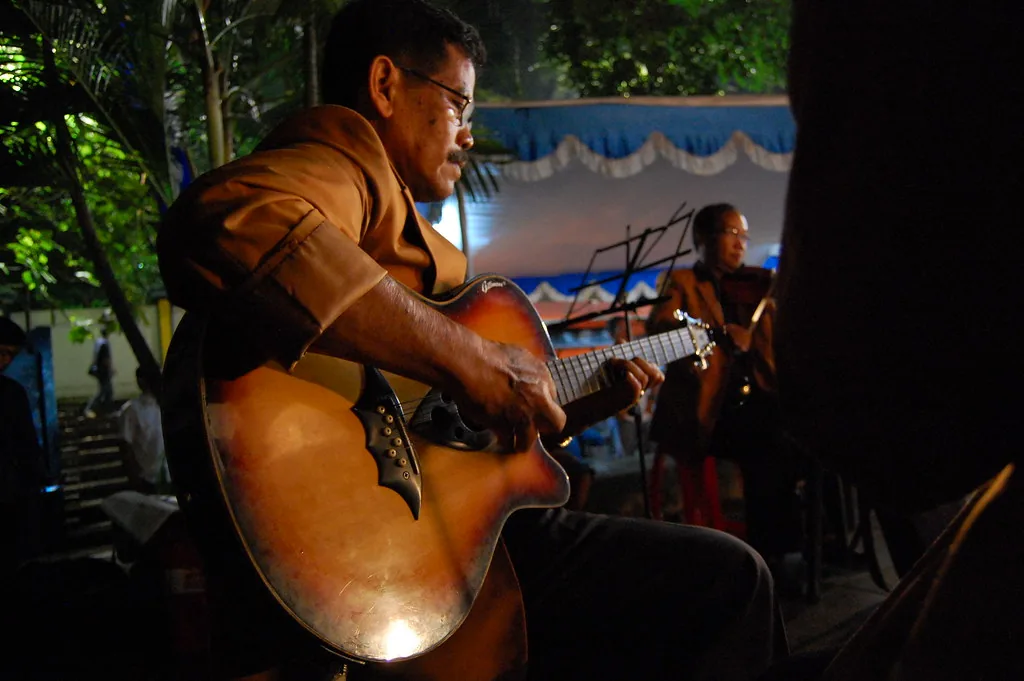
The rock movement is also steeped in authenticity. Rock artists are often praised for their artistic honesty and their ability to remain true to themselves. Rock is a form of expression that encourages individuality and freedom of thought, freeing people from the constraints imposed by society.
In short, rock culture is much more than a musical style. It embodies a rebellious and authentic way of life, giving young people a platform to express their ideas, frustrations and social demands. Rock music is a powerful tool for youth expression, activism and the struggle for a fairer world.
The challenges of activism in electronic music
Electronic music has also provided fertile ground for activist engagement, as demonstrated by the Astropolis festival, which has had to overcome numerous challenges to support and preserve this musical culture. Held annually in Brittany, the festival is known for its commitment to electronic music and its determination to promote the values of diversity and open-mindedness.
One of the major challenges Astropolis has faced is event safety. Because electronic music often has an underground character, parties and festivals can attract a young and sometimes impulsive audience. This has created safety problems, including violence and excessive drug use. Astropolis has had to implement strict safety measures to prevent such incidents while ensuring that the musical experience remains authentic.
Another challenge for Astropolis is securing recognition for electronic music as a legitimate art form and giving it greater visibility and wider recognition. Electronic music was long associated with negative stereotypes, such as drugs or endless partying. The festival has therefore worked to promote a more positive image by showcasing talented artists and emphasizing the creativity and diversity of electronic music genres.
Today, Astropolis has become a symbol of activist engagement in electronic music. By overcoming safety challenges and promoting a positive image of electronic music, the festival has succeeded in supporting and preserving this unique musical culture. Thanks to Astropolis, many electronic artists have gained recognition, while electronic music has acquired greater legitimacy and recognition within the French music scene.
| Date | Artist | Genre |
|---|---|---|
| July 22 | Charlotte de Witte | Techno |
| July 23 | Nina Kraviz | Techno |
| July 24 | Disclosure | House |
The Astropolis festival in figures:
- More than 25 years in existence
- More than 100 international artists each year
- More than 20,000 festivalgoers
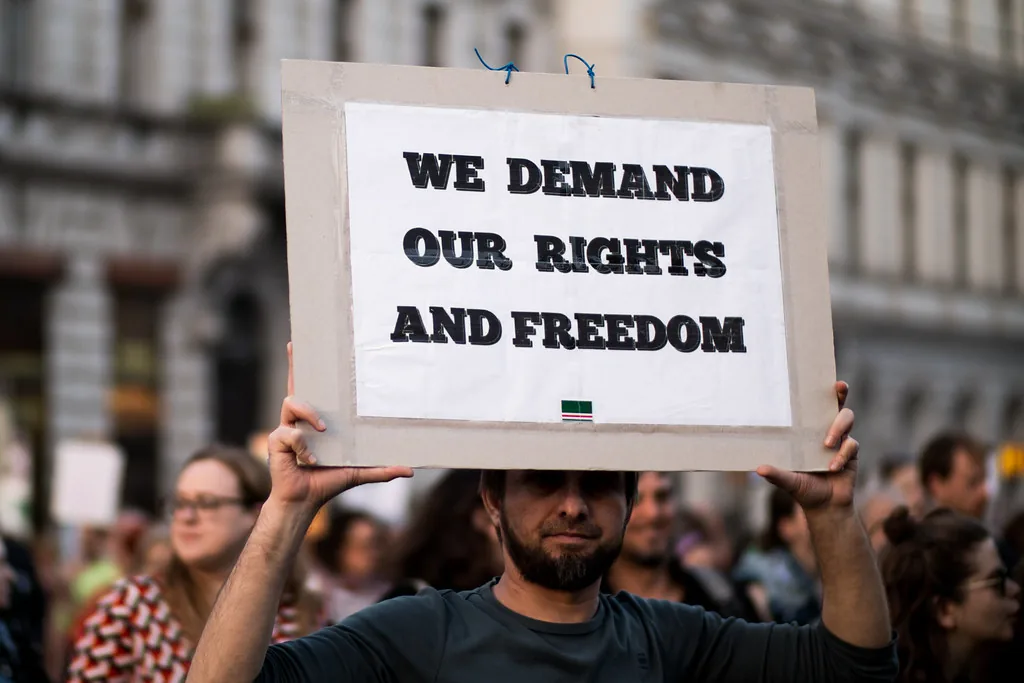
In conclusion, activism in electronic music presents unique challenges, but events such as the Astropolis festival show that these challenges can be overcome. Thanks to its vision and commitment to electronic music, Astropolis has succeeded in creating a space where electronic artists can express themselves freely and festivalgoers can enjoy the music while feeling safe. This festival is an inspiring example of how music can be used to promote positive values and create an engaged, passionate community.
Pomme’s commitment to women’s rights
Pomme, a socially engaged artist, discusses her struggle for women’s rights and the difficulties she encounters as an artist who speaks out against discrimination. As a woman in the music industry, she faces obstacles and prejudice, but she strives to make her voice heard and champion women’s rights through her music. She uses her art as a form of activism, addressing themes such as gender equality, violence against women and freedom of expression.
In a male-dominated industry, Pomme is fighting to create a space where women can express themselves freely and be heard. She positions herself as a voice for women who are often marginalized or silenced. Her artistic engagement reflects her determination to change patriarchal norms and promote a more equal society.
Pomme is aware of the challenges she faces as a socially engaged artist. She is often criticized and encounters obstacles in her professional career. Nevertheless, she remains determined to defend women’s rights and raise awareness of gender issues and inequality. She believes in music’s power to inspire change and uses her platform to encourage reflection and action.
Table of Pomme’s socially conscious songs
| Song title | Theme |
|---|---|
| “Song 1” | Gender equality |
| “Song 2” | Violence against women |
| “Song 3” | Freedom of expression |
Despite the difficulties she faces, Pomme continues to make her voice heard and use music as a means of advancing women’s rights. Her artistic engagement is a source of inspiration to many people, and she demonstrates how music can be a powerful tool for bringing about positive change in society.
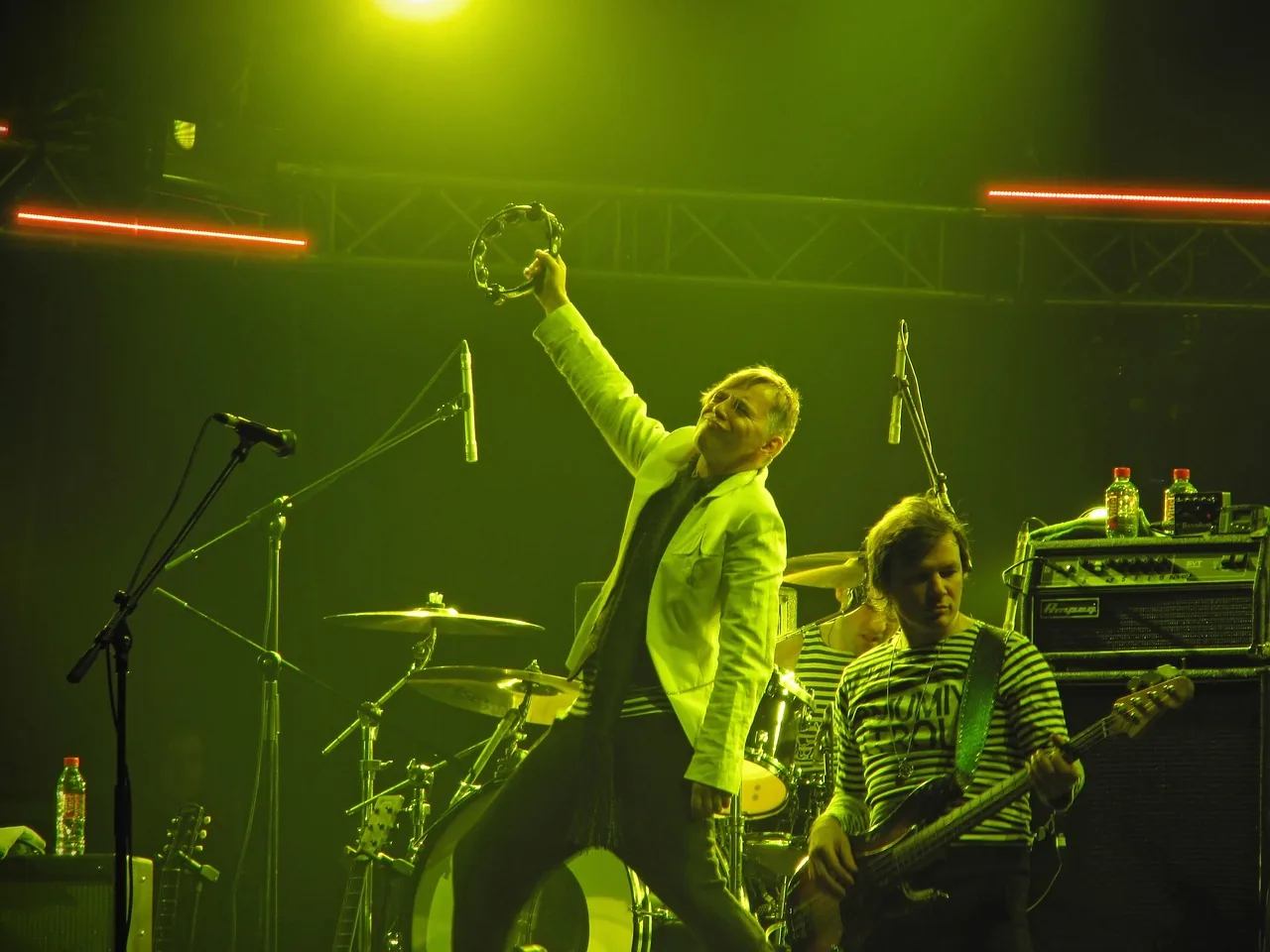
It is essential to give victims a voice through music and artistic expression, highlighting the role of socially engaged artists in raising awareness of social injustice and promoting change. Socially conscious music has the power to touch hearts and awaken collective awareness. By giving victims a voice, artists create a space where stories that are often ignored or suppressed can be heard and acknowledged.
Music can serve as a platform for addressing sensitive and painful issues, providing a means of expressing traumatic experiences and everyday struggles. It can also remind us that we are not alone in our suffering and that our voices deserve to be heard. By bringing social injustice to light, artists can help change attitudes and promote equality, justice and respect for human rights.
One notable example of music’s ability to give victims a voice is the socially engaged artist Pomme. She uses her music to highlight the problems women face in the music industry and society more broadly. Pomme uses her platform to raise awareness of gender discrimination, encourage empowerment and promote equal opportunities for everyone.
| Inspirational quote: |
|---|
|

In conclusion, it is important to recognize the crucial role of music and artistic expression in raising awareness of social injustice and promoting change. By giving victims a voice, socially engaged artists help create a fairer and more equal society. Music has the power to bring people together, inspire empathy and solidarity, and create a movement for social mobilization. By listening to and amplifying victims’ voices, we can all play a part in building a more inclusive world that respects everyone’s rights.
Conclusion
In conclusion, the intersection of pop/rock music and activism is a powerful alliance capable of inspiring significant social and political change. Music has always been a favored means of expression for socially engaged artists, enabling them to share their ideas and raise their audiences’ awareness of important issues. Political and socially conscious songs have the power to awaken collective awareness and mobilize people around social and political causes.
Rock culture, with its themes of rebellion, authenticity and freedom from constraints, is particularly conducive to expressing the ideas and feelings of young people. This art form gives artists a platform for conveying political messages and encouraging action. Similarly, electronic music has succeeded in breaking down barriers and establishing itself as an engaged movement, although it still faces challenges, particularly regarding event safety.
The artistic engagement of people such as Pomme highlights the importance of giving victims a voice and defending women’s rights. By denouncing discrimination within the music industry, Pomme uses her position as an artist to raise awareness and promote equality. Socially engaged artists play an essential role in society by making victims’ voices heard and challenging persistent injustices.
Ultimately, pop/rock music and activism come together to form a powerful and inspiring alliance. This relationship enables artists to convey political ideas and messages, raise public awareness of social and political issues, and bring about meaningful change. It is crucial to support and celebrate artistic engagement in all its forms, because music often enables the voices of marginalized and oppressed people to be heard and movements for social justice to gain momentum.
FAQ
Q: What is the relationship between pop/rock music and activism?
A: When pop/rock music meets activism, it becomes a powerful means of expression and mobilization for artists and audiences. Socially conscious music can convey political messages and highlight social injustice.
Q: How does rock music express social engagement?
A: Rock music is associated with themes such as rebellion, authenticity and freedom from constraints. It gives young people a voice and enables them to express social and political concerns, making it a vehicle for artistic engagement.
Q: What is the connection between electronic music and activism?
A: Electronic music has also been used as a means of activism. Electronic artists have sought recognition for and promoted their music while facing challenges such as event safety.
Q: How does Pomme support women’s rights?
A: Pomme is an artist committed to women’s rights. She uses her music and her voice to denounce gender discrimination and highlight problems within the music industry.
Q: Why is it important to give victims a voice through music?
A: Socially conscious music gives victims a voice by bringing their stories to light and raising public awareness of injustice. Artists play an essential role in combating discrimination and promoting social change.