

Selling a musical instrument such as a handpan may seem simple, but it requires a carefully considered approach. The ethnic-instrument market in France has its own particular characteristics, and an appropriate strategy is essential to maximize your chances of success.
This article presents 12 key steps to make selling your used handpan easier. From preparing the instrument to securing the transaction, each step is designed to guide you toward a smooth and successful experience.
Whether you are a professional or amateur musician, these tips will help you achieve your goal quickly and confidently. Discover how to adapt your approach to the specific features of the French market and optimize your sale.
Why sell your used handpan?
Reselling a handpan allows you to realize the value of a unique object while meeting growing demand. Appreciated for its sound quality and design, this instrument readily finds buyers on the second-hand market. Whether you want to fund a new project or simply change your musical practice, there are many reasons to sell.
The benefits of selling a used handpan
Selling a used handpan offers several advantages. First, it can result in significant savings. Indeed, a used instrument can cost up to 50% less than a new one. Buyers also benefit from immediate availability without having to wait for the instrument to be made.
Furthermore, a well-maintained handpan retains considerable value on the market. Enthusiasts are prepared to pay an attractive price for a model in good condition. This makes it a profitable option for sellers.
Common reasons for selling a handpan
Several situations may prompt someone to sell a handpan. Relocating or changing musical practices, for example, are common reasons. Some musicians also prefer to renew their equipment to explore new horizons.
Finally, the growing demand for ethnic instruments in France makes transactions easier. Many sellers complete their sale in under three weeks, according to several shared experiences.
Preparing your handpan for sale
Preparing a handpan for sale requires particular attention to its condition and presentation. Careful preparation increases the likelihood of finding a buyer quickly and selling it at a good price.
Clean and maintain the instrument
A clean, well-maintained handpan attracts buyers more easily. Use specialist oils to clean the surface without damaging the metal. Here is a five-step process:
- Wipe away dust with a soft cloth.
- Apply a suitable oil to protect the metal.
- Clean hard-to-reach areas with a soft brush.
- Dry it thoroughly to prevent corrosion.
- Polish it lightly to achieve a glossy finish.
Check the tuning and sound quality
Sound quality is an essential consideration for buyers. Have the tuning checked by a professional. Several certified centers in France offer this service. Here are some useful addresses:
| Center | City | Average cost |
|---|---|---|
| Paris Tuning Center | Paris | €100 |
| Lyon Sound Workshop | Lyon | €120 |
| Marseille Harmony Studio | Marseille | €90 |
Photograph the handpan from the right angles
High-quality photographs showcase the instrument’s overall condition. Use natural lighting and 45° angles to capture its details. Zoom in on the notes to demonstrate the precision of the craftsmanship.

Avoid common mistakes such as distracting reflections or cluttered backgrounds. A good photograph can make all the difference.
Assessing the price of your used handpan
Determining the value of a used handpan is a crucial step toward a successful sale. A properly assessed price attracts buyers while ensuring a fair transaction. Here are the factors to consider when setting a fair amount.
Compare market prices
Analyzing market trends is essential. Review recent listings on specialist platforms to determine average prices. Free online tools can help you compare your instrument with other models. For example, a rare 2018 model may be worth more than a standard 2020 handpan.
Consider the instrument’s age and condition
Age and condition directly influence value. Average depreciation of 20% per year is often applied. However, a well-maintained instrument made by a renowned craftsperson may retain considerable value. Check every detail, from the metal surface to the sound quality.
Set a competitive price
To attract buyers, adopt a psychological pricing strategy. For example, a price of €1,490 appears more attractive than €1,500. Allow a negotiation margin of 5% to 15% to facilitate discussions. A competitive price increases your chances of selling quickly.
Choosing the right sales platform
Finding the right platform for selling a musical instrument is essential to maximize your chances of success. Your choice depends on your target audience, the visibility you want and the associated fees. Here is a guide to help you navigate the available options.
Websites specializing in musical instruments
Platforms dedicated to musical instruments, such as Zikinf or Greenmusicians, provide a targeted audience. These websites attract enthusiasts and professionals, increasing your chances of finding a serious buyer. They also often provide tools for enhancing your listing, such as photo galleries or detailed descriptions.
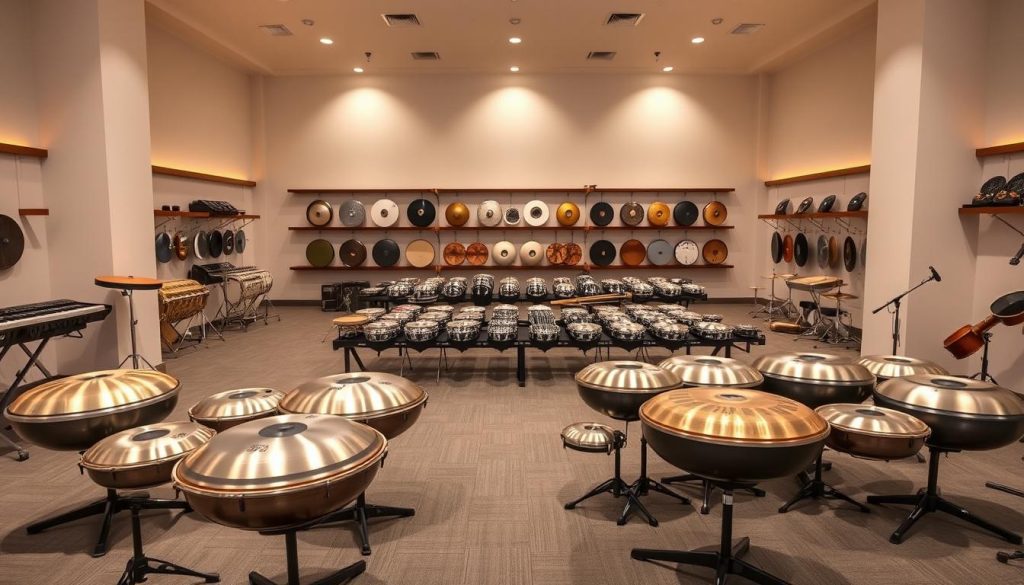
General platforms such as Leboncoin and eBay
General platforms such as Leboncoin or eBay offer substantial visibility thanks to their large audiences. However, it is important to remain alert to risks such as scams or unreliable buyers. To maximize your chances of success, create a credible seller profile with complete information and positive reviews.
Facebook groups and dedicated forums
Facebook groups and specialist forums are an excellent way to reach an engaged community. In France, groups such as “Handpan Lovers” and “Ethnic Music” are very active. These spaces enable direct conversations with potential buyers and provide additional visibility. To learn more, see Used Handpans.
Finally, adopt a multichannel strategy to maximize your visibility. Combine several platforms and refresh your listings after an optimal period of 7 to 10 days. This will help you reach a wider audience and increase your chances of selling.
Writing an attractive listing
A well-structured listing can make the difference between a quick sale and a long wait. To maximize your chances, it is essential to capture buyers’ attention from the opening lines. Here is how to write a listing that stands out.
Describe the instrument accurately
Accuracy is essential. State the model, year of manufacture and technical specifications. For example: “Nitrided-steel handpan with nine notes, tuned to D Kurd.”
Include details about its overall condition, such as “no scratches, well-maintained surface.” This reassures buyers about the instrument’s quality.
Highlight the handpan’s strengths
Emphasize what makes your instrument unique. For example: “Warm, resonant sound, ideal for acoustic sessions.”
If your handpan has a special history or was made by a renowned craftsperson, mention it. This adds value.
Include photographs and demonstration videos
Visuals are indispensable. Use clear, well-lit photographs to show the instrument’s condition. A demonstration video lets buyers hear its sound quality.
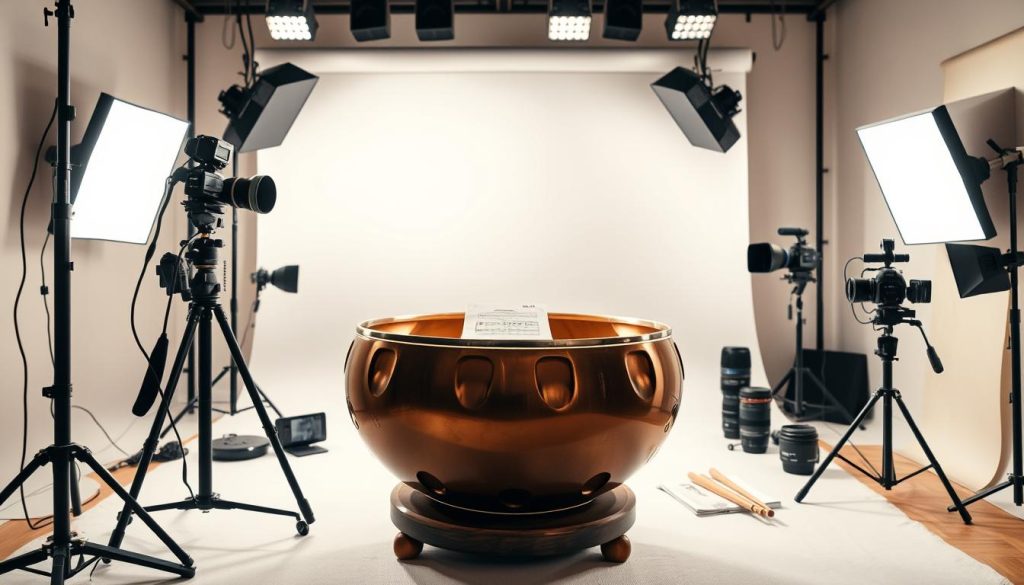
Make sure your photographs and videos are optimized for mobile devices. This makes them easier to view on smartphones, where most searches take place.
Communicating effectively with potential buyers
Smooth communication with buyers is essential for a successful sale. Whether through messaging or in person, every interaction should be clear, professional and reassuring. Here is how to optimize your conversations and maximize your chances of completing the transaction.
Answer questions promptly
Buyers appreciate a prompt, accurate response. Use professional messaging tools to stay organized. Prepare a template message for frequently asked questions, such as those about the instrument’s condition or delivery arrangements. This will save you time and demonstrate that you are a serious seller.

Arrange in-person trials if possible
If circumstances permit, offer an in-person trial. This allows the buyer to test the instrument and feel more confident. Choose a public, secure location for the meeting. Establish a simple procedure to ensure the safety of everyone involved.
Negotiate the price tactfully
Negotiation is often part of the process. Be open to discussion, but remain firm about your minimum price. Use rephrasing techniques to defuse conflicts. For example: “I understand your offer, but my price reflects the instrument’s quality and maintenance.”
Finally, take a flexible approach to unreasonable offers. Calmly explain why your price choice is justified. Respectful, transparent communication can transform a difficult negotiation into a successful transaction.
Ensuring a secure transaction
Ensuring transaction security is vital to a successful sale. Whether you sell online or in person, appropriate measures protect your interests and establish trust between the parties. Here are the key steps for ensuring a smooth and secure experience.
Choose a secure payment method
Choosing the payment method is crucial. Here is a comparison of the safest options:
- PayPal: provides protection for buyers and sellers. Disputes are handled quickly.
- Bank transfer: direct and free of charge, but less secure in the event of a dispute.
Choose established platforms to minimize the risks. PayPal, for example, is widely used around the world because of its reliability.
Protect the instrument during shipping
Professional packaging is essential to prevent damage. Follow this seven-step process:
- Wrap the instrument in bubble wrap.
- Place it in a reinforced box with foam supports.
- Seal the box with strong packing tape.
- Add a clearly visible “fragile” label.
- Take photographs before dispatch for documentation.
- Choose an insured delivery service.
- Give the buyer a tracking number.
Avoid common scams
Unfortunately, scams are common. Here are the warning signs to watch for:
- A buyer proposes payment outside secure platforms.
- The bank details appear suspicious.
- The buyer insists on completing the transaction quickly without carrying out checks.
If in doubt, favor transactions through recognized groups or platforms. To learn more, see used handpans.
Finally, legal remedies are available in the event of a dispute. Keep all evidence of the transaction, including message exchanges and receipts. A proactive approach protects you and helps ensure a successful sale.
Tips for selling your handpan quickly
Speeding up the sale of a musical instrument requires an appropriate strategy. By implementing effective techniques, you can reduce the time needed to find a buyer. Here are some tips for optimizing your approach.
Emphasize the urgency of the sale
Creating a sense of urgency can encourage buyers to act quickly. For example, offer a deal for a limited time or mention that only a limited number of products are available. This encourages interested people not to delay their decision.
Use phrases such as “last chance” or “exclusive offer” to reinforce this effect. A well-written listing can make all the difference.
Offer flexible delivery options
Buyers appreciate flexibility. Offer several delivery methods, such as collection in person or expedited shipping through specialist carriers. This meets your audience’s varied needs.
In France, partnerships with recognized delivery services can reassure customers. Make sure you communicate the associated delivery times and costs clearly.
Offer warranties or trials
Offering a warranty or free trial can strengthen buyers’ confidence. For example, a 30-day warranty covering sound quality shows that you believe in your product.
In-person trials also reassure customers about their choice. This can be a decisive advantage when completing a quick sale.
Mistakes to avoid when selling
Selling a musical instrument can be a rewarding experience, but certain mistakes may undermine its success. To maximize your chances, it is essential to know and avoid the common pitfalls. Here are the main mistakes to watch for.
Failing to check the instrument’s condition
An instrument in poor overall condition may deter buyers. Before publishing your listing, make sure your handpan is clean, well maintained and functional. A professional check of its tuning and sound quality is recommended.
According to one case study, listings with imprecise descriptions or blurry photographs have a 40% lower sales rate. Take the time to document every detail to establish trust.
Setting the price too high or too low
Price is a key factor in the purchasing decision. An amount that is too high can discourage buyers, while a price that is too low may raise doubts about quality. Use online tools to compare market prices and set a fair amount.
Here is an example comparing prices for a standard handpan:
| Model | Average price |
|---|---|
| 9-note handpan | €1,200 |
| 11-note handpan | €1,500 |
Neglecting communication with the buyer
Smooth, professional communication is essential for a successful sale. Answer questions promptly, be transparent about the instrument’s condition and offer trials if possible. Poor management of conversations can result in returns or disputes.
The following tips can help you excel in your interactions:
- Use a courteous, professional tone.
- Provide clear and accurate answers.
- Offer solutions suited to the buyer’s needs.
By avoiding these mistakes, you will increase your chances of completing a quick and satisfactory sale. A thoughtful, proactive approach is the key to success.
Tips for selling your handpan abroad
Selling an instrument abroad opens up new possibilities but requires careful preparation. The international market is vast, and each country has its own rules and expectations. To succeed, it is essential to adapt to buyers’ needs and understand local requirements.
Adapt the listing for an international audience
Your listing should account for cultural and linguistic differences. Professional translation is preferable to machine translation to avoid misunderstandings. Include technical details such as the maker and acoustic specifications to reassure buyers.
Also adapt your listing to local conventions. Some countries, for example, favor detailed descriptions, while others prefer concise information. A well-adapted listing increases your chances of finding a handpan buyer who is genuinely interested.
Manage customs and shipping costs
Customs and shipping costs can vary considerably depending on the destination country. Use an export-cost calculator to estimate the charges and include them in your price. International shipping insurance is often mandatory to protect the instrument in transit.
Here is an overview of the average cost of shipping a handpan:
| Destination | Average cost |
|---|---|
| Europe | €50 |
| North America | €100 |
| Asia | €120 |
Choose platforms suited to international sales
Platforms specializing in international sales, such as eBay or Reverb, provide worldwide visibility. These websites offer tools that facilitate transactions, including cost calculators and secure payment options. For handpans, platforms dedicated to ethnic music may also be useful.
Finally, consider working with distribution partners abroad. This can simplify logistics and strengthen your credibility with international buyers.
Conclusion
Completing the sale of an instrument requires a thoughtful, appropriate approach. In summary, preparation, price assessment and platform selection are key steps toward success. The second-hand market continues to evolve, offering new opportunities to music enthusiasts.
Feel free to share your experience in the comments to enrich the community. To deepen your knowledge, consult the additional resources available online.
Finally, remain confident in your approach. With the right advice and an appropriate strategy, you will readily find a buyer for your instrument. Happy selling!