
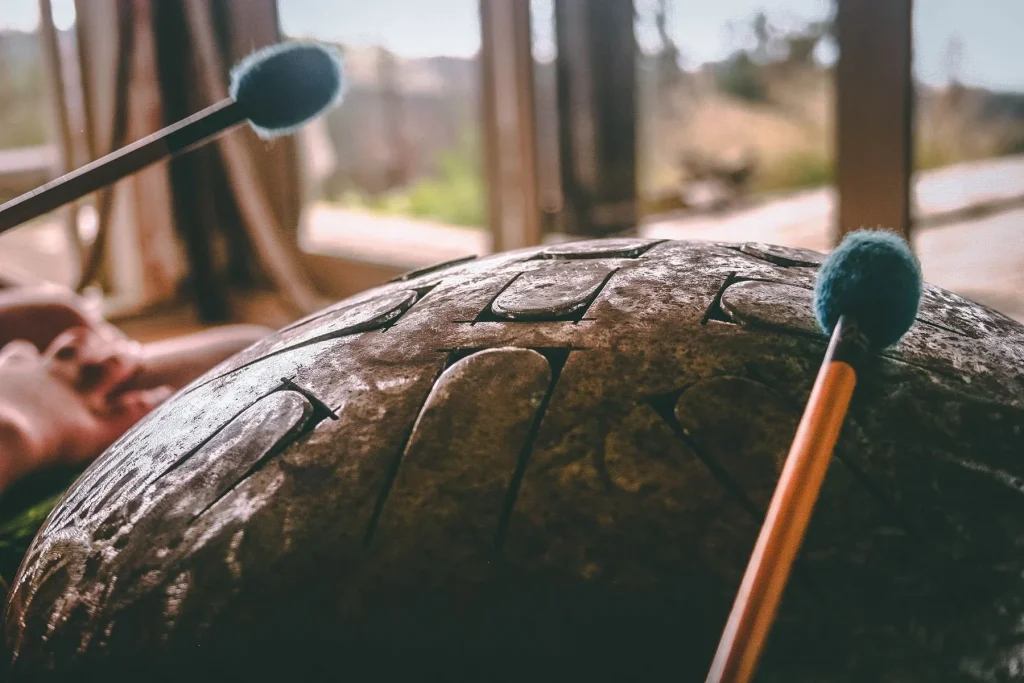
The handpan is a unique instrument that requires special attention to preserve its sound quality and appearance. Without proper care, it can lose its acoustic and aesthetic qualities. Regular maintenance is therefore essential to extend its lifespan.
It is crucial to adapt cleaning methods to the type of steel used. Nitrided-steel and stainless-steel models require different approaches. For example, specific products, such as 70% alcohol and suitable oils, are recommended to prevent rust and preserve the sound.
Poor maintenance can cause irreversible damage, such as degraded sound or the appearance of rust. To prevent this, follow the manufacturers’ advice and use quality products, such as those offered by specialist brands like Phoenix Oil and ZenaPan.
To learn more about maintenance techniques, read this complete guide. By adopting good practices, your instrument will remain in perfect condition for many years.
Introduction to caring for a steel handpan
Caring for this unique instrument is essential to preserve its quality. According to one study, 80% of damage results from poor maintenance. This highlights the importance of adopting a suitable routine.
There are crucial differences between nitrided-steel and stainless-steel models. Each type requires specific methods to prevent corrosion and maintain its sound. For example, nitrided steel is more sensitive to moisture, while stainless steel withstands marine environments better.
Sean Beever, an expert at Symphonic Steel, emphasizes the importance of a regular maintenance routine. According to him, frequent cleaning and the use of suitable products are essential. A Metal Sounds study confirms that proper practices can prevent corrosion in marine environments.
An inspiring example is an instrument that was preserved for 15 years through rigorous maintenance. This proves that, with good habits, your instrument can last for many more years. To learn more about maintenance techniques, read this complete guide.
The basics of handpan care
Regular maintenance is the key to preserving your instrument’s beauty and sound. Without it, problems such as rust or acoustic deterioration may occur. It is therefore essential to adopt a suitable routine.

Why should you clean your handpan?
Perspiration from your hands leaves salt on the surface, which can accelerate rust formation. The sodium chloride in sweat acts as a corrosion catalyst. Frequent cleaning is therefore essential to prevent this damage.
Professional musicians, for example, may need to clean their instrument up to three times a day, especially after prolonged use. This ensures optimal performance and a longer lifespan.
What to avoid when protecting your instrument
Certain products and practices can damage your instrument. Here is a list of what to avoid:
- Acetone and other harsh chemical solvents.
- Abrasive products that scratch the surface.
- Rough cloths that can cause micro-scratches.
One concrete example is damage to a Pantam Steel caused by the use of turpentine. For safe cleaning, use the two-cloth method: a microfiber cloth to remove dirt and an organic cotton cloth to protect the surface.
Finally, avoid overly humid environments and exposure to water, as these increase the risk of corrosion. To learn more, read this complete guide.
How to clean your handpan effectively
Proper cleaning is essential to maintain your instrument’s sound quality. Techniques vary according to the materials, but some practices are universal.
Use a soft, dry cloth
A soft microfiber cloth is ideal for removing dust and dirt. Avoid rough fabrics that could scratch the surface. After each use, gently wipe it with the cloth to preserve its shine.
Clean with isopropyl alcohol
Isopropyl alcohol diluted to between 50% and 75% is an excellent choice for disinfecting the instrument without damaging it. Apply it with a soft cloth, using circular motions. According to PANArt, seven passes over each note are enough for optimal cleaning.
Avoid harsh chemicals
Solvents such as acetone and abrasive products damage the surface. Choose gentle solutions, such as ZenaPan’s technique of combining a Miracle Cloth with alcohol. Be careful: some lower-end models contain adhesives that are sensitive to alcohol.
Protecting your handpan from rust
Rust is your instrument’s number-one enemy, but simple solutions can prevent it. By adopting good practices, you can preserve the sound quality and appearance of your handpan for years.

The importance of keeping your handpan dry
Moisture is the main cause of rust. After each use, carefully wipe the surface with a soft cloth. Avoid leaving your instrument in humid environments such as bathrooms or basements.
Use protective oils
Specialist oils, such as Phoenix Oil, form a barrier against moisture. Apply them in overlapping layers for optimal protection. According to Ayasa Instruments, the vacuum-impregnation technique is particularly effective.
Choose the right oil for your handpan
Natural oils, such as walnut or grapeseed oil, are often recommended. However, avoid scented oils, which can cause allergies. In a tropical climate, daily application is necessary to maintain protection.
By following these tips, you can protect your instrument and prevent damage caused by rust. With a little care, your handpan will remain in perfect condition for many years.
How to remove rust from your handpan
The presence of rust on your instrument may seem alarming, but effective solutions are available. By following the right steps, you can restore your instrument’s beauty and performance.

Identify rusty areas
The first step is to locate the affected areas. Use grazing light at a 15° angle to detect rust spots on the surface. Also inspect the inside of the instrument, as corrosion may develop there.
A PANArt-authorized repairer explains:
“A careful inspection allows rust to be treated before it spreads.”
Use suitable products to remove rust
For light spots, the Miracle Cloth is an effective solution. For more serious cases, an emergency kit containing citric acid and baking soda can be used. Here is a summary of the methods:
| Type of rust | Recommended method |
|---|---|
| Light | Miracle Cloth |
| Moderate | Citric acid + baking soda |
| Severe | Gentle sandblasting |
Reapply a protective layer after cleaning
Once the rust has been removed, protecting the surface is crucial. Apply a specialist oil, such as Phoenix Oil, in overlapping layers. For permanent stains, a camouflage technique can be used to preserve the instrument’s appearance.
By following these steps, you can bring your instrument back to life and prevent future damage. With a little care, your handpan will remain in perfect condition for many years.
Best storage practices
How you store your instrument is crucial to its longevity. Choosing the wrong location or unsuitable conditions can damage its structure and sound. Here are a few tips for storing your instrument properly.

Choose a dry location away from direct light
A dry space protected from direct sunlight is ideal for preserving your instrument. Moisture and UV rays can cause irreversible damage. Choose places such as a cabinet or an air-conditioned room.
Use a protective case
A suitable case is essential for protecting your instrument from impacts and dust. ZenaPan recommends a rigid protective case for optimal safety. Here is a comparison of case materials:
| Material | Advantages |
|---|---|
| Pelican | Impact resistance, waterproofing |
| BAM | Lightweight, ergonomic design |
Avoid fluctuations in temperature and humidity
Sudden changes in temperature and air humidity can deform your instrument’s structure. Use innovative solutions such as a climate-controlled enclosure with humidity regulation. Smart silica gel with a color indicator is also a practical option for maintaining a stable humidity level.
Finally, watch out for mold in leather cases. Regular inspection and proper cleaning are essential to prevent these problems. With these tips, your instrument will remain in perfect condition for many years.
Tips for regular maintenance
It is essential to adopt a structured approach to caring for your instrument. A good routine helps maintain its sound quality and prevent problems such as rust. Here are a few tips to help you establish an effective method.
Establish a cleaning routine
Maintenance frequency depends on your instrument’s model. For example, a stainless-steel model requires quarterly cleaning, while a nitrided-steel model should be cleaned twice a month. Use a microfiber cloth and isopropyl alcohol for optimal results.
Monitor for rust
Inspect your instrument regularly for the first signs of rust. Areas exposed to moisture are particularly vulnerable. Prompt cleaning with a soft cloth and the application of a protective oil can prevent more serious damage.
Consult the manufacturer for specific advice
Each model has specific needs. Consult the manufacturer or a certified instrument maker for tailored recommendations. Some manufacturers offer sponsorship programs or weather alerts for owners living in coastal areas.
Here is a summary of maintenance frequencies according to ZenaPan:
| Type of steel | Maintenance frequency |
|---|---|
| Stainless | Once per quarter |
| Nitrided or another alloy | Twice per month |
To learn more about creating a personalized maintenance schedule, read this complete guide. With these tips, your instrument will remain in perfect condition for many years.
Conclusion: caring for your steel handpan
Your instrument deserves constant attention to remain in perfect condition. Preventive maintenance is always less expensive than major repairs. For example, one musician preserved their instrument for 20 years by following a rigorous maintenance routine.
Take part in collaborative workshops to learn best practices. These gatherings allow you to exchange tips and meet other enthusiasts. Partnerships with environmentally responsible brands offering products such as organic oils also provide eco-friendly solutions.
Finally, love your instrument as a musical partner. With a little care, it will accompany you for many years. Look after it, and it will reward you with every beautiful note.