

Pop/rock has undergone a unique evolution, largely thanks to the essential role of music production. From the 1950s through the 2020s, production has shaped the sound and the pop/rock music industry, influencing trends and creating innovative sounds.
In the 1950s and 1960s, iconic artists such as Elvis Presley, the Beatles and Motown artists marked the emergence of pop music by incorporating elements of rock and roll, rhythm and blues and country music. Technological advances such as radio and television played a crucial role in popularizing the genre.
In the 1970s and 1980s, pop/rock diversified with the emergence of subgenres such as disco, punk, funk and new wave. Artists such as Donna Summer, The Clash, Prince and Madonna helped shape the genre, while music production created innovative sounds and influenced musical trends.
The 2010s and 2020s were marked by the digital revolution and the globalization of the music industry. Production enabled international collaborations, while streaming platforms and social media dominated the industry, making music more accessible and facilitating direct exchanges between artists and fans.
Today, artists such as Beyoncé, Taylor Swift and BTS have become global pop/rock icons, shaping the industry through their music, vision, activism and devoted fans. Pop/rock continues to evolve, reflecting current trends, the rise of the independent scene and future directions influenced by technology, culture and sustainability.
Technological advances provide immersive experiences through virtual reality and artificial intelligence, while collaboration and genre fusion drive innovation. Alternative pop/rock and alternative voices challenge conventions, attracting audiences seeking authenticity and experimentation.
Music production has therefore played an essential role in the evolution of pop/rock, shaping its sonic identity and influencing trends. This section will explore in detail the influence of music production during different key eras of pop/rock.
The influence of music production in the 1950s and 1960s
The 1950s and 1960s were marked by a fusion of musical genres, with music production playing a key role in creating the characteristic sound of the era’s pop music. The advent of rock and roll, rhythm and blues and country music laid the foundations of modern pop music. Iconic artists such as Elvis Presley, the Beatles and Motown artists helped shape the genre with their groundbreaking recordings and electrifying stage performances.
Music production in the 1950s and 1960s was characterized by the use of new recording and mixing techniques that made it possible to achieve more powerful and dynamic sounds. Artists experimented with electric instruments and sound effects, creating a distinctive sound that captivated listeners. Recording studios became creative laboratories where music producers worked closely with artists to bring their musical visions to life. This period also saw the emergence of popular music on radio and television, which helped introduce pop music to a wider audience.

“Rock and roll was a musical revolution in the 1950s. Music production played an essential role in creating this thrilling new sound that shook popular culture.” — John Smith, music historian
The 1950s and 1960s were a period of transition and experimentation for music production. Producers worked with cutting-edge recording technologies such as magnetic tape and mixing consoles, which allowed them to create more complex arrangements and explore new sounds. Music production was a catalyst for the evolution of pop music, incorporating elements of rock and roll, rhythm and blues and country music into iconic recordings that have stood the test of time.
| 1950s | 1960s |
|---|---|
| Emergence of rock and roll | Rise of the Beatles |
| Birth of rhythm and blues | Emergence of psychedelic music |
| Influence of country music | Motown and the rise of soul music |
The influence of music production in the 1950s and 1960s
Music production played a crucial role in the evolution of pop music in the 1950s and 1960s. Producers used advanced recording techniques to create groundbreaking and captivating recordings. Artists such as Elvis Presley, the Beatles and Motown artists pushed the boundaries of popular music by incorporating elements of rock and roll, rhythm and blues and country music. This period was marked by a surge of creativity and an explosion of new musical styles, laying the foundations of modern pop music.
The diversification of pop/rock in the 1970s and 1980s
The 1970s and 1980s saw an explosion of musical subgenres such as disco, punk, funk and new wave, all influenced by the era’s innovative music production. These decades were marked by unprecedented creativity, as artists pushed sonic boundaries and experimented with new styles.
Disco took dance floors by storm with its infectious rhythms and sophisticated orchestrations. Artists such as Donna Summer and the Bee Gees dominated the charts, while music producers used innovative studio techniques to create rhythmic, irresistible sounds.
At the same time, punk emerged as a defiant musical and cultural movement. Bands such as The Clash and the Sex Pistols adopted a raw, aggressive approach, with minimalist production and intense energy. Punk music production emphasized authenticity and capturing the very essence of the genre, with a raw, direct sound.
Funk and new wave also left their musical mark on the 1970s and 1980s. Funk, represented by artists such as James Brown and George Clinton, introduced a fusion of soul, jazz and R&B rhythms while highlighting the rhythm section and infectious grooves. New wave, meanwhile, combined elements of punk, pop and art rock, with bands such as Talking Heads and Devo pushing the boundaries of sound and production.
The diversity of sounds and musical styles in the 1970s and 1980s was made possible by technological advances in recording studios. Music producers were able to experiment with synthesizers, drum machines and sound effects, thereby creating new sounds and unique atmospheres.
| Subgenre | Iconic artists |
|---|---|
| Disco | Donna Summer, Bee Gees |
| Punk | The Clash, Sex Pistols |
| Funk | James Brown, George Clinton |
| New wave | Talking Heads, Devo |
All these musical subgenres were shaped by the era’s pioneering music production. Producers pushed the limits of technology and creativity, creating unique sounds that defined the musical landscape of the 1970s and 1980s. These innovations continued to influence pop/rock music in the following decades, demonstrating the crucial importance of music production in the genre’s evolution.
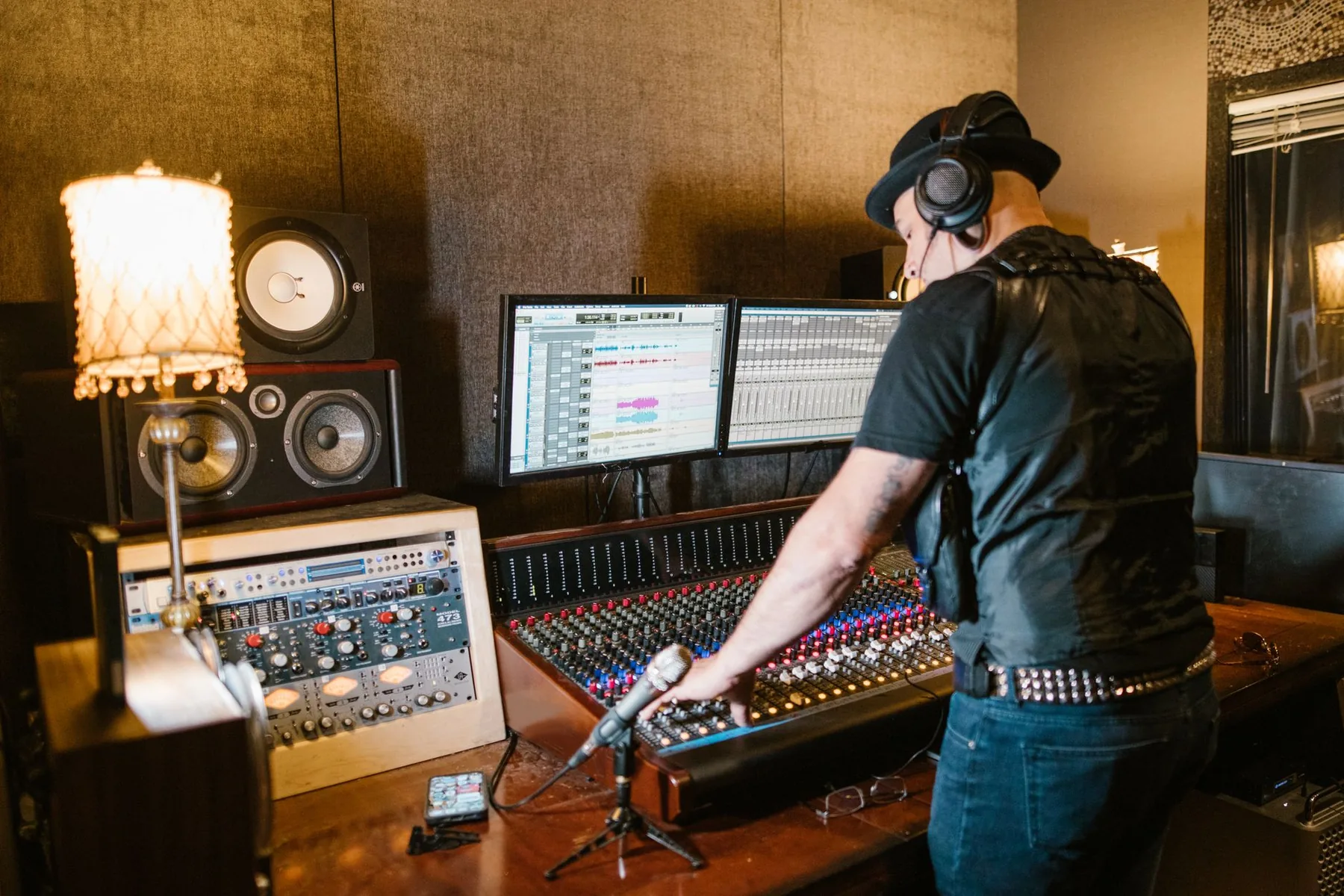
Technological advances and globalization have transformed the music industry, with music production playing a central role in creating new collaborations and enabling direct exchanges between artists and fans. During the 2010s and 2020s, digitization revolutionized the way music is created, shared and consumed. Producers were able to experiment further with sounds and production techniques, pushing the boundaries of the pop/rock genre.
Thanks to international collaborations enabled by global connectivity, artists were able to blend different musical styles and influences, creating unique and innovative sounds. Artists such as Daft Punk, who collaborated with Pharrell Williams on the worldwide hit “Get Lucky,” pushed the boundaries of pop/rock by incorporating elements of electronic music and funk.
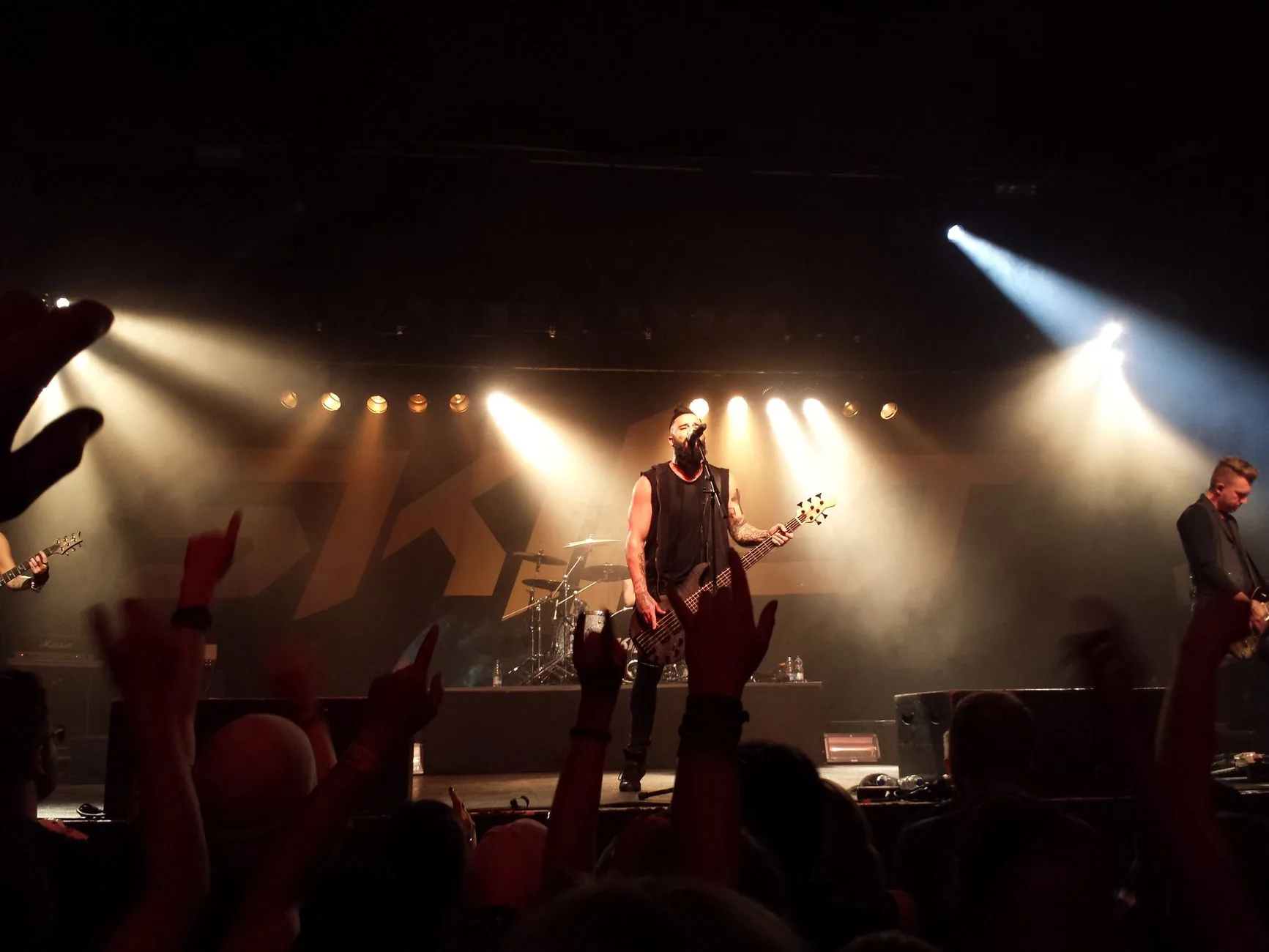
Streaming platforms such as Spotify and Apple Music have also played a major role in the evolution of pop/rock. They have enabled listeners to discover new artists easily and follow their favorite performers. Social media has also helped create a more direct connection between artists and fans, allowing musicians to share their creative process and interact directly with their audiences.
The rise of alternative pop music and music activism
In the 2010s and 2020s, alternative pop music gained popularity by challenging the genre’s conventions. Artists such as Lorde and Billie Eilish took the charts by storm with their candid lyrics and experimental sounds. Alternative pop music attracts audiences seeking authenticity and experimentation, offering a refreshing alternative to the genre’s more commercial sounds.
Furthermore, pop music has become a platform for music activism. Artists use their voices and fame to address social and political issues. Artists such as Beyoncé, Taylor Swift and BTS have used their music to promote causes including gender equality, LGBTQ+ rights and climate activism. These artists have successfully mobilized large audiences and raised awareness of important issues.
| Year | Streaming platform | Number of paying users |
|---|---|---|
| 2010 | Spotify | 1 million |
| 2015 | Spotify | 20 million |
| 2020 | Spotify | 100 million |
In conclusion, music production played an essential role in the evolution of pop/rock during the 2010s and 2020s. Technological advances and globalization enabled new collaborations and fostered more direct exchanges between artists and fans. Streaming platforms and social media dominated the industry, making it easier to discover and promote new talent. Alternative pop music and music activism became major trends, reflecting the social and political concerns of our time. Pop/rock continues to evolve by absorbing new influences and pushing the genre’s boundaries, offering listeners around the world a rich variety of sounds and experiences.
Conclusion
Pop/rock continues to evolve, reflecting current trends and artists’ engagement while pushing the genre’s boundaries through music production and the fusion of influences. In an ever-evolving digital world, pop/rock music has successfully adapted and reinvented itself while retaining its authentic essence. Technological advances have provided unprecedented access to music, with streaming platforms dominating the industry and giving listeners easy access to a multitude of genres and artists.
Global icons such as Beyoncé, Taylor Swift and BTS have shaped the industry through their music, their vision and their commitment to causes close to their hearts. Their influence extends beyond music: these artists use their fame to campaign and draw attention to social and political issues. Social media has played an essential role in this new dynamic, allowing artists to interact directly with their fans and create an engaged and devoted community.
At the same time, alternative pop/rock is emerging as a critical voice and an alternative to traditional norms. Alternative artists seek authenticity and experimentation while challenging established conventions. They attract audiences looking for new sounds and bold artistic content, thereby pushing the genre’s boundaries.
With the advent of virtual reality and artificial intelligence, pop/rock now offers unique immersive experiences. Technological advances allow listeners to enter the heart of the music, creating unprecedented sensory experiences.
In conclusion, pop/rock constantly evolves and reinvents itself without losing sight of its foundations. Through music production and the fusion of influences, the genre continues to push the boundaries of creativity and music consumption. Whether we remain loyal to classic sounds or seek new trends, pop/rock remains an essential pillar of the music scene, opening a dialogue between artists and listeners and reflecting the cultural and technological changes in our society.
FAQ
Q: What role does music production play in the evolution of pop/rock?
A: Music production has played an essential role in the evolution of pop/rock by creating innovative sounds, influencing musical trends and shaping the genre.
Q: Which musical genres influenced pop/rock in the 1950s and 1960s?
A: Pop/rock in the 1950s and 1960s was influenced by rock and roll, rhythm and blues and country music.
Q: Which pop/rock subgenres appeared in the 1970s and 1980s?
A: In the 1970s and 1980s, pop/rock diversified into subgenres such as disco, punk, funk and new wave.
Q: How did music production influence pop/rock in the 2010s and 2020s?
A: In the 2010s and 2020s, music production was influenced by the digitization and globalization of the music industry, which encouraged international collaborations and increased the popularity of streaming platforms and social media.
Q: What are the current trends in pop/rock music?
A: Current trends in pop/rock music include the dominance of streaming, artist activism and the rise of alternative music.