

Pop/rock has undergone a fascinating evolution over the decades, reflecting the trends and artistic movements of each era. This exploration of the evolution of pop/rock will highlight the musical influences and changes that have shaped this genre throughout its rich and complex history. From the 1950s, with the emergence of rock ‘n’ roll, to the 1990s, with the grunge scene, each decade brought new sounds and cultural trends.
Stay tuned to discover how pop/rock evolved over the decades and how it continues to influence today’s music.
The 1950s and the emergence of rock ‘n’ roll
The 1950s saw the emergence of rock ‘n’ roll, a revolutionary musical genre that influenced the pop/rock scene for the following decades. This dynamic, energetic style of music was popularized by legendary artists such as Elvis Presley, Chuck Berry and Little Richard. Rock ‘n’ roll captivated younger generations with its provocative lyrics and infectious rhythms, breaking down the musical and social barriers of the time.
Rock ‘n’ roll brought a new rebellious attitude to music, emphasizing self-expression and resistance to established norms. Artists of this era used electric guitars, powerful percussion and fiery saxophone solos to create a unique, forceful sound. Song lyrics addressed subjects such as love, freedom and youth, allowing rock ‘n’ roll to connect directly with its audience and influence later generations.
Rock ‘n’ roll is raw energy, an expression of youth and a rebellion against authority. — Elvis Presley
This period was also marked by major cultural and social changes. Rock ‘n’ roll sparked a musical revolution and helped break down racial barriers by blending African American and white musical influences. It also contributed to changing fashion trends, with bold, exuberant clothing styles that reflected the movement’s rebellious attitude and freedom of expression.

| Legendary artists of the 1950s | Famous songs |
|---|---|
| Elvis Presley | “Heartbreak Hotel”, “Hound Dog”, “Jailhouse Rock” |
| Chuck Berry | “Johnny B. Goode”, “Roll Over Beethoven”, “Maybellene” |
| Little Richard | “Tutti Frutti”, “Long Tall Sally”, “Good Golly Miss Molly” |
The 1960s and the explosion of pop culture
The 1960s were a pivotal period for pop/rock, with the Beatles’ major influence and the emergence of a pop culture that profoundly shaped music and society. This decade was marked by creative ferment and an explosion of musical trends and music styles.
The Beatles, originally from Liverpool, revolutionized the genre with their catchy melodies, vocal harmonies and flair for innovation. Their influence spread around the world and stimulated the creativity of many other artists. They also helped popularize pop culture, which became an inescapable social phenomenon.
The pop culture of the 1960s was also shaped by the rise of mass media such as television and radio. This allowed pop/rock artists to reach wider audiences and gain worldwide recognition. The era’s fashions also reflected this pop culture, with bright colors, psychedelic patterns and bold styles.
Major musical trends and music styles of the 1960s
- Rock ‘n’ roll
- Beat music
- Folk rock
- Psychedelic rock
- Soul music
The music of the 1960s was characterized by a great diversity of styles and genres. Rock ‘n’ roll, which had already emerged in the 1950s, continued to evolve with bands such as the Rolling Stones and the Beach Boys. Beat music, a British style influenced by the Beatles, was also popular, with bands such as the Yardbirds and the Kinks.
Folk rock emerged during this period, blending elements of traditional folk music with electric instruments. Bob Dylan and Simon & Garfunkel were among the style’s iconic artists. Psychedelic rock, characterized by sonic experimentation and the use of hallucinogenic drugs, also enjoyed great success with bands such as Pink Floyd and Jefferson Airplane.
Finally, soul music, with artists such as James Brown and Aretha Franklin, also reached its peak in the 1960s, bringing a unique rhythmic and vocal influence to pop/rock.
| Musical genre | Iconic artists |
|---|---|
| Rock ‘n’ roll | Elvis Presley, Chuck Berry |
| Beat music | The Beatles, The Rolling Stones |
| Folk rock | Bob Dylan, Simon & Garfunkel |
| Psychedelic rock | Pink Floyd, Jefferson Airplane |
| Soul music | James Brown, Aretha Franklin |
This table summarizes some of the iconic genres and artists of the 1960s who helped shape the diversity and innovation of pop/rock music during that decade.
The 1970s and the emergence of punk rock
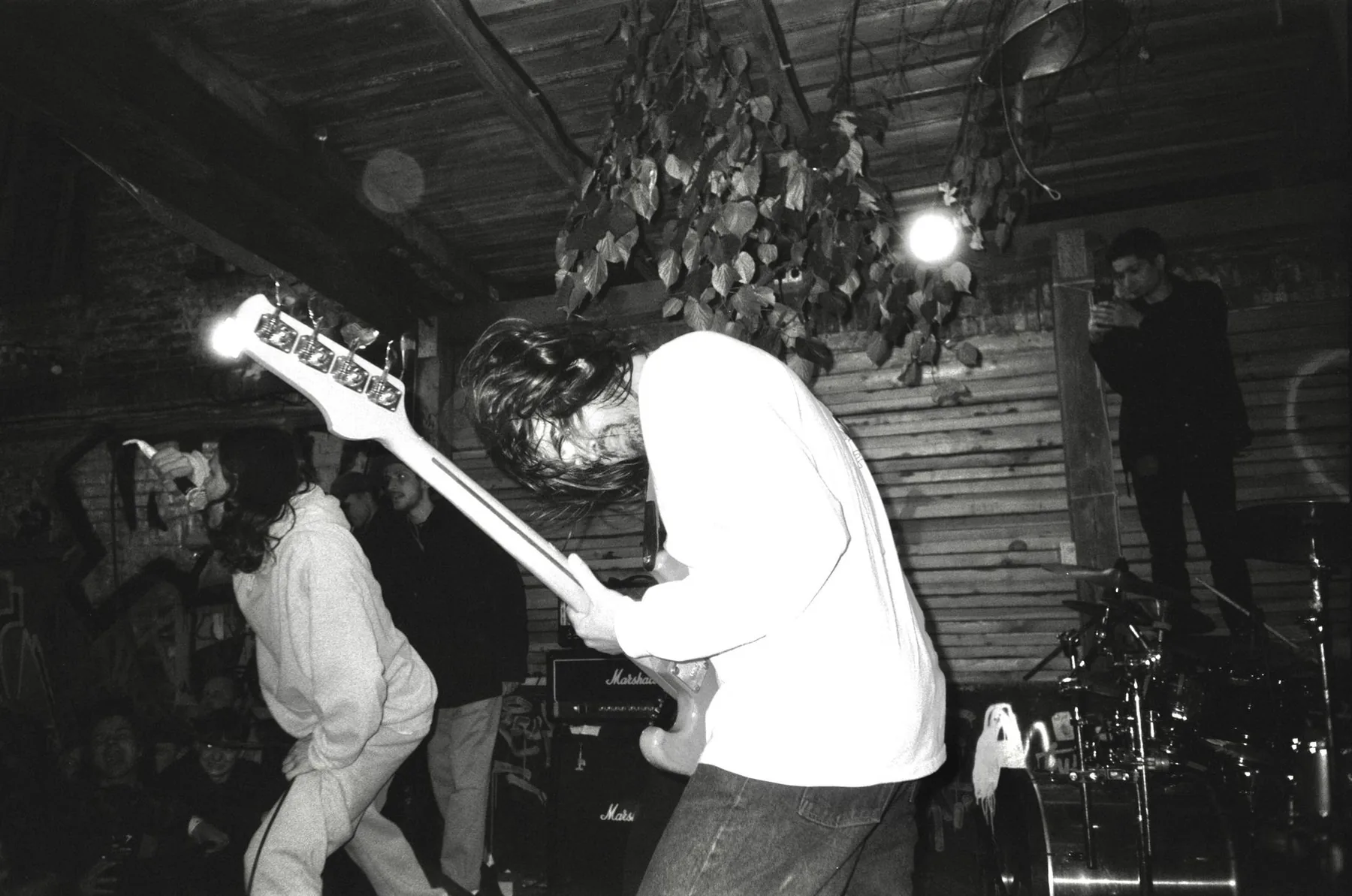
The 1970s provided fertile ground for the emergence of punk rock, a musical movement that revolutionized pop/rock and gave rise to rebellious, provocative fashion trends. Punk rock was characterized by its raw energy, its rebellion against established norms and its aggressive music. Iconic bands such as the Sex Pistols and The Clash shaped the decade with their politically charged lyrics and raw sound.
This artistic movement also influenced the fashion of the time. Punks adopted a distinctive style of dress characterized by extravagant haircuts, torn clothing and provocative accessories. This unique look became a symbol of rebellion and individuality.
Punk rock paved the way for new musical currents and redefined the musical landscape of the time. It inspired many artists and contributed to the emergence of subgenres such as hardcore punk and post-punk.
Punk rock left an indelible mark on the history of pop/rock. It overturned the musical and social conventions of the time and paved the way for new forms of artistic expression. As the 1970s drew to a close, punk rock continued to spread, leaving behind a rebellious musical legacy and a vibrant alternative culture.
| Iconic punk rock bands of the 1970s | Essential albums |
|---|---|
| The Sex Pistols | Never Mind the Bollocks, Here’s the Sex Pistols |
| The Clash | The Clash |
| The Ramones | Ramones |

The punk rock of the 1970s was also closely associated with the counterculture and political movements such as anarchism and socialism. The songs’ socially conscious lyrics and political messages reflected young people’s dissatisfaction with the establishment and society of the time.
- Song lyrics addressed subjects such as poverty, unemployment, and political and social conflicts.
- The punk movement encouraged independence and autonomy, urging young people to express themselves freely and challenge social norms.
- Punk rock concerts were often chaotic and energetic, with fans expressing their frustration and anger through music and movement.
Punk rock was a catalyst for musical change and social change, influencing subsequent generations of artists and musicians. Its rebellion and indomitable spirit continue to resonate in contemporary music and captivate audiences eager for raw, authentic sounds.
The 1980s and the golden age of glam rock
The 1980s were a landmark period for pop/rock, with the emergence of glam rock and iconic artists who redefined the conventions of music and fashion. Glam rock was both a visual and musical style, characterized by flamboyant outfits, bold makeup and theatrical stage performances. Bands such as Duran Duran, Queen and T. Rex dominated the charts with hits including “Girls on Film”, “Bohemian Rhapsody” and “Bang a Gong (Get It On)”.
With their infectious music and extravagant looks, these artists captivated audiences and exerted a considerable influence on the fashion and culture of the era. Voluminous hairstyles, tight leather trousers, exaggerated shoulder pads and bright colors were characteristic elements of glam rock.
Glam rock also paved the way for other music styles of the 1980s, such as new wave, synthpop and hard rock. Bands such as Depeche Mode, Duran Duran and Guns N’ Roses emerged with unique sounds and contributed to the decade’s musical diversity.
Table of iconic glam rock artists
| Artist | Iconic album | Famous hit |
|---|---|---|
| T. Rex | Electric Warrior | Get It On (Bang a Gong) |
| Duran Duran | Rio | Girls on Film |
| Queen | A Night at the Opera | Bohemian Rhapsody |
Glam rock left an enduring legacy in music history and continues to influence contemporary artists. Its artistic and cultural impact is undeniable, and it will forever be associated with the 1980s, an era of creativity and individual expression.
The 1990s and the grunge scene
The 1990s marked a turning point in the history of pop/rock with the emergence of the grunge scene, a musical movement that overturned conventions and left a lasting mark on the genre. Characterized by energetic sounds, introspective lyrics and a casual style of dress, grunge achieved meteoric success in the 1990s and became a symbol of the era’s disillusioned youth.
The grunge scene emerged in Seattle, United States, with iconic bands such as Nirvana, Pearl Jam and Soundgarden. These artists successfully captured the sense of frustration and alienation felt by many young people at the time, contributing to their growing popularity. Grunge also brought a new style of dress, in which ripped jeans, plaid shirts and parkas became emblematic pieces of the movement.
“Grunge was a reaction to the commercial music of the ’80s and celebrity culture. It was raw, honest music that expressed our frustrations and unease,” said Kurt Cobain, Nirvana’s iconic singer.
Grunge left a lasting mark on pop/rock, subsequently influencing many artists and musical genres. Its songs, both melancholic and powerful, connected with an audience that often felt disconnected from commercial music. The grunge movement also fostered the emergence of other alternative genres and paved the way for greater diversity in the musical landscape of the 1990s.
| Iconic grunge bands | Iconic albums |
|---|---|
| Nirvana | “Nevermind” |
| Pearl Jam | “Ten” |
| Soundgarden | “Superunknown” |
Conclusion
In conclusion, the evolution of pop/rock through the decades demonstrates its ability to adapt to social and cultural changes while retaining its rebellious, energetic essence. Since its emergence in the 1950s with rock ‘n’ roll, pop/rock has reinvented and diversified itself with every decade, reflecting the musical influences and trends of each era.
The 1950s marked the beginning of pop/rock’s history, with the emergence of rock ‘n’ roll and legendary artists such as Elvis Presley, who revolutionized music. The 1960s were marked by the Beatles wave and the explosion of pop culture, which influenced both the music and fashion of the era.
The 1970s were marked by the emergence of punk rock and rebellious artistic movements, which not only influenced music but also established an anti-establishment style of dress. The 1980s were the golden age of glam rock, with iconic bands such as Duran Duran and a great diversity of music styles.
In the 1990s, the grunge scene brought about a radical musical change, with artists such as Nirvana and Pearl Jam. Finally, the 2000s were marked by the rise of the alternative scene and a diversity of fashion styles reflecting the era’s varied influences.
FAQ
Q: Why is the evolution of pop/rock through the decades important?
A: The evolution of pop/rock through the decades is important because it reflects the cultural and social changes of each era. It also allows artists and listeners to discover different musical styles and new influences.
Q: Who are some of the legendary rock ‘n’ roll artists of the 1950s?
A: Legendary rock ‘n’ roll artists of the 1950s include Elvis Presley, Chuck Berry, Little Richard and Jerry Lee Lewis.
Q: How did pop culture explode in the 1960s?
A: Pop culture exploded in the 1960s thanks to the influence of the Beatles and other popular bands of the era. It was also influenced by counterculture movements and the period’s political and social transformations.
Q: What were some of the rebellious artistic movements of the 1970s?
A: Rebellious artistic movements of the 1970s included punk rock, the disco music movement and the hippie movement.
Q: Who are some of the iconic glam rock bands of the 1980s?
A: Iconic glam rock bands and artists of the 1980s include Duran Duran, David Bowie, Queen and Poison.
Q: What was the grunge scene of the 1990s?
A: The grunge scene of the 1990s was a musical and cultural movement that emerged in the Seattle area of the United States. It was characterized by an abrasive sound and dark lyrics, and it had a major impact on the popular music of the era.