

The origins of pop/rock date back to the 1950s, with the emergence of Elvis Presley and other pioneers of this musical genre. This style of music arose from a blend of African American music such as blues and rhythm and blues, as well as country. It was also influenced by other genres such as jazz, bluegrass, and European music.
In the late 1950s, rock ‘n’ roll declined in popularity. However, it was revitalized by the arrival of the Beatles and other British bands in the 1960s. The Beatles played a major role in the evolution of pop/rock and helped popularize it around the world.
American rock experienced a revival in the late 1960s with the emergence of the psychedelic era. This movement marked a period of intense creativity and sonic experimentation in rock, with bands such as Pink Floyd and The Doors.
The 1970s were marked by the emergence of various rock movements such as hard rock, progressive rock, heavy metal, glam rock, and punk rock. Each of these movements made its own contribution to the evolution of pop/rock and subsequently influenced many artists.
During the 1980s and 1990s, rock continued to evolve with the emergence of grunge and Britpop. Grunge, popularized by bands such as Nirvana, Soundgarden, and Pearl Jam, brought an alternative and introspective aesthetic to the genre. Britpop, meanwhile, offered a modern vision of rock through bands such as Oasis and Blur.
The 2000s were marked by fusions of musical genres and attempts to revisit the history of rock. Bands such as Linkin Park and Fall Out Boy experimented by blending elements of rock and rap, while others sought to incorporate electronic and pop sounds into their music.
In recent years, however, the popularity of rock has declined, giving way to rap, which has become the most popular musical genre in the United States. Despite this, the origins of pop/rock remain firmly rooted in history, thanks to pioneers such as Elvis Presley and The Beatles, who laid the foundations of a musical genre that continues to influence today’s music scene.
Rock ‘n’ roll arose from a blend of African American musical genres such as blues, rhythm and blues, and country. In the 1950s, this style of music took the American music scene by storm with its energy and simplicity, captivating a wide audience. The roots of rock ‘n’ roll can be traced to the origins of the blues, music deeply rooted in the African American experience and influenced by African rhythms brought over by enslaved people.
The blues was popularized by artists such as Muddy Waters, B.B. King, and Howlin’ Wolf, who influenced a generation of musicians by combining elements of African music with Western song structures. Rhythm and blues, meanwhile, added a touch of groove and danceability to the music by incorporating catchy rhythms and more complex arrangements.
Country also played an essential role in the birth of rock ‘n’ roll. This rural musical genre, which originated in the United States, introduced acoustic elements such as guitar and bass, along with stories of everyday life that resonated with audiences. Artists such as Hank Williams, Johnny Cash, and Elvis Presley popularized country and contributed to the evolution of rock ‘n’ roll.
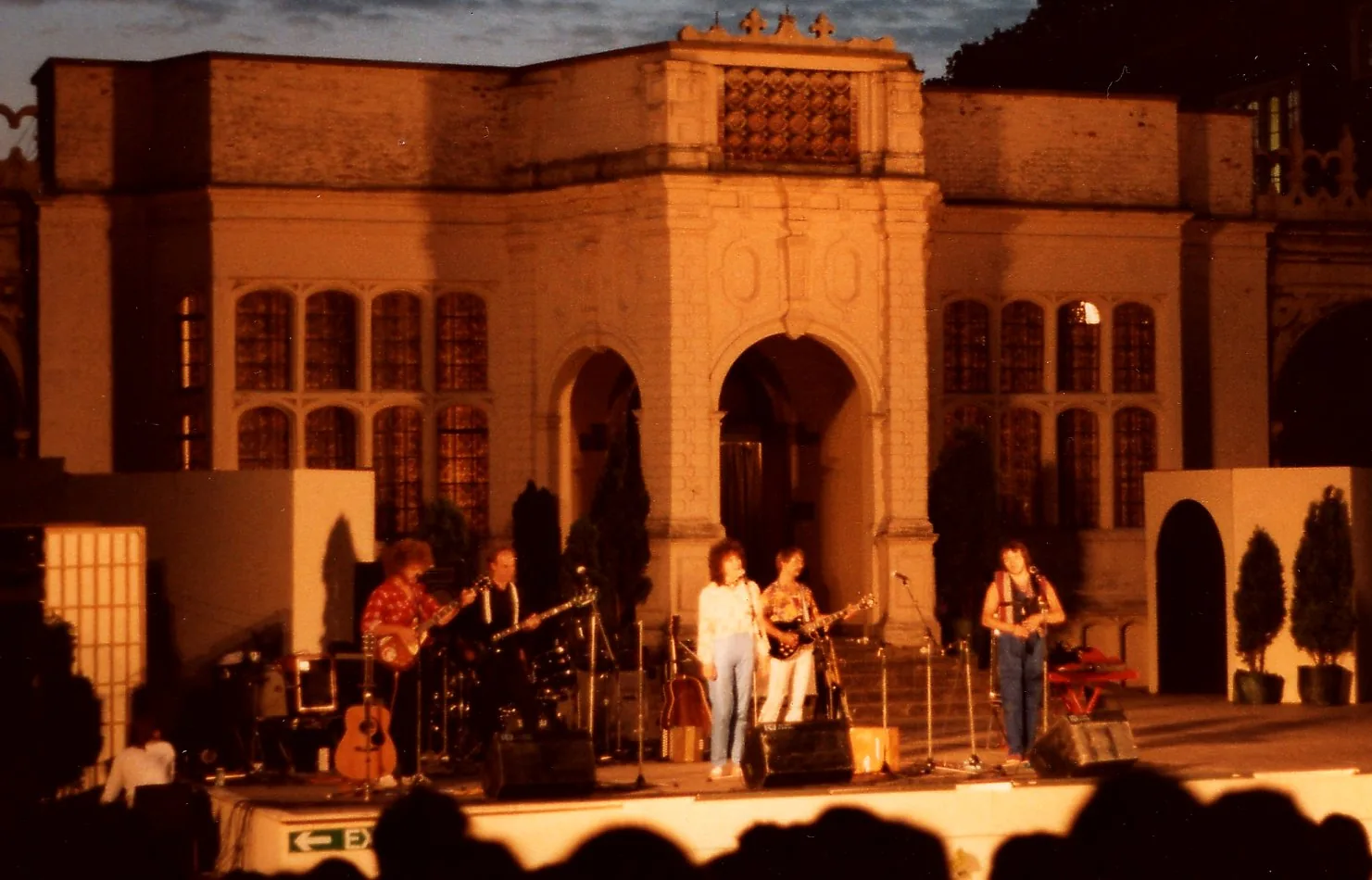
| African American musical genres | Characteristics |
|---|---|
| Blues | Music deeply rooted in the African American experience and influenced by African rhythms |
| Rhythm and blues | A combination of African music and Western song structures, adding groove and danceability |
| Country | Acoustic elements such as guitar and bass, and stories of everyday life |
The popularity of rock ‘n’ roll grew until it reached its peak in the 1950s, before the genre began to lose its appeal. However, the arrival of the Beatles and other British bands in the 1960s revitalized the genre and ushered in a new era for rock. These artists introduced an innovative sound, intelligent lyrics, and a rebellious attitude that captivated fans around the world.
In conclusion, the emergence of rock ‘n’ roll resulted from a unique blend of African American musical genres such as blues and rhythm and blues, as well as country. These influences merged to create a revolutionary sound, which was subsequently taken to new heights by the Beatles and other British bands. Rock ‘n’ roll paved the way for the ongoing evolution of pop/rock and left an indelible mark on music history.
The Influence of the Beatles and British Bands
The Beatles and other British bands revitalized rock in the 1960s and ushered in a new era for this musical genre.
These artists brought a new dimension to popular music by creating catchy songs with intelligent, innovative lyrics. The Beatles, in particular, pioneered original songwriting and used their creativity to explore new sounds and experiment with different musical styles.
Through their international success, the Beatles paved the way for a wave of British bands that emerged in the 1960s, such as the Rolling Stones, The Who, and The Kinks. These bands continued to develop British rock by contributing their own styles and pushing the boundaries of pop/rock music.
“The Beatles transformed the musical landscape and influenced countless artists around the world. Their impact on rock and pop is undeniable.”
British rock in the 1960s was characterized by harder sounds and a rebellious attitude, setting it apart from the American rock of the period. British bands brought fresh energy to the music scene and contributed to the evolution of pop/rock by introducing elements of psychedelic rock and progressive rock.
Table: evolution of British rock in the 1960s
| Year | Influential British bands |
|---|---|
| 1960 | The Beatles, The Who, The Shadows |
| 1961 | The Rolling Stones, The Kinks |
| 1962 | The Hollies, The Yardbirds |
| 1963 | The Animals, The Dave Clark Five |
| 1964 | The Moody Blues, The Small Faces |
These bands left an enduring legacy in rock music, influencing generations of artists and contributing to the continued development of pop/rock over the following decades.

In the late 1960s, American rock experienced a revival with the emergence of psychedelic movements. Characterized by experimental sounds, psychedelic lyrics, and the use of hallucinogenic drugs, this musical movement brought a genuine revolution to the American musical landscape. Bands such as Jefferson Airplane, The Doors, and Pink Floyd created innovative compositions that captivated a generation seeking novelty and escape.
The psychedelic era was also marked by the emergence of major music festivals, such as Woodstock in 1969, which brought together hundreds of thousands of fans and helped popularize psychedelic rock. These events gave artists an opportunity to perform live and share their music with an ever-growing audience.
Psychedelic movements also influenced the art and culture of the period. The hippie movement, in particular, promoted love, peace, and harmony and became a genuine catalyst for social change. Hippies adopted an alternative lifestyle, rejecting consumer society in favor of a simpler life in harmony with nature.
Unfortunately, the psychedelic era was short-lived. By the end of the 1960s, the movement had begun to lose momentum, particularly because of growing social and political tensions. Nevertheless, its impact on rock music and culture in general is undeniable, and many artists continue to draw inspiration from that period.
| Iconic psychedelic bands | Years active |
|---|---|
| The Doors | 1965-1973 |
| Jefferson Airplane | 1965-1972 |
| Pink Floyd | 1965-1995 |
| The Jimi Hendrix Experience | 1966-1969 |
In the late 1960s, American rock experienced a revival with the emergence of psychedelic movements. The psychedelic era was marked by experimental sounds, psychedelic lyrics, and the use of hallucinogenic drugs. Iconic bands such as The Doors, Jefferson Airplane, and Pink Floyd created innovative compositions that captivated a generation seeking novelty and escape.

In conclusion, the psychedelic era was a pivotal period in the history of American rock. It introduced new sounds, technical innovations, and an open-minded outlook that profoundly influenced rock music and culture in general. Although the psychedelic movement was short-lived, its legacy endures and continues to inspire many of today’s artists.
The 1970s were marked by the birth of various rock movements, reflecting the diversity and experimentation of the period.
Hard rock is one of the decade’s most iconic movements. Characterized by powerful guitar riffs, virtuosic solos, and lyrics often focused on dark and provocative themes, hard rock enjoyed tremendous success. Bands such as Led Zeppelin, Deep Purple, and Black Sabbath dominated the rock scene with their raw energy and heavy sound.
Progressive rock also emerged in the 1970s. This movement is characterized by complex compositions, sophisticated arrangements, and the use of a variety of instruments. Bands such as Pink Floyd, Genesis, and Yes created conceptual and progressive works that pushed the boundaries of traditional rock.

Heavy metal, meanwhile, became increasingly popular during the 1970s. With its aggressive sounds, distorted guitars, and lyrics often focused on fantasy and the occult, heavy metal appealed to rock fans seeking more intense music. Bands such as Black Sabbath, Judas Priest, and Iron Maiden left a lasting mark on the genre.
| 1970s rock movements | Iconic bands |
|---|---|
| Hard rock | Led Zeppelin, Deep Purple, Black Sabbath |
| Progressive rock | Pink Floyd, Genesis, Yes |
| Heavy metal | Black Sabbath, Judas Priest, Iron Maiden |
Finally, the 1970s also saw the emergence of other rock movements such as glam rock and punk rock. Glam rock, represented by flamboyant artists such as David Bowie and T-Rex, emphasized the visual and theatrical aspects of music. Punk rock, by contrast, was a rebellious, anti-establishment movement, with bands such as the Ramones and the Sex Pistols breaking musical and social conventions.
Thanks to this diversity of movements, the 1970s were a vibrant period for rock, during which boldness and innovation created a new musical era.
The Evolution of Rock in the 1980s and 1990s
The 1980s saw rock evolve with the appearance of new genres and movements, while the 1990s were marked by the emergence of grunge and Britpop. During the 1980s, rock experienced an explosion of creativity and diversity as artists explored new sounds and aesthetics. Heavy metal enjoyed tremendous success, with bands such as Iron Maiden and Metallica. Hard rock, characterized by powerful guitar riffs and energetic performances, also continued to thrive through bands such as Guns N’ Roses and AC/DC.
At the same time, new musical movements appeared, such as post-punk and new wave, which brought a more experimental and artistic approach to rock. Bands such as The Cure and Joy Division created dark, introspective atmospheres, while artists such as Madonna and Prince fused rock and pop to create unforgettable hits.
The 1990s were marked by two major movements in the world of rock: grunge and Britpop. Grunge, which originated in Seattle, was popularized by bands such as Nirvana, Pearl Jam, and Soundgarden. The grunge sound is characterized by heavy guitars, introspective lyrics, and punk influences. Britpop, meanwhile, emerged in the United Kingdom through bands such as Blur, Oasis, and Pulp. Britpop became synonymous with the rebellious, laid-back attitude of British youth, featuring catchy songs and lyrics often rooted in popular culture.

In conclusion, the 1980s and 1990s were marked by the constant evolution of rock, with the emergence of new genres and movements. Rock continued to reinvent and diversify itself by exploring new sounds and themes. Despite this creativity, however, its popularity has declined in recent years, with rap becoming the most popular musical genre in the United States.
The 2000s and Attempts to Revisit Rock History
The 2000s were marked by experimentation and fusions of musical genres as artists explored rock history. Artists of the decade sought to push the boundaries of rock by combining various sonic elements to create new sounds and musical experiences.
Some of these experiments led to collaborations between artists from different musical genres, resulting in intriguing fusions. For example, rock bands incorporated elements of electronic music, hip-hop, and jazz into their compositions, creating an innovative and eclectic sound.
Furthermore, this period was marked by attempts to revisit rock history by drawing inspiration from earlier musical movements and reinterpreting them. Some artists revisited genres such as blues, punk rock, and progressive rock, breathing new life into these classic musical styles.
Example of musical genre fusion in the 2000s:
| Artist | Musical genre(s) | Album |
|---|---|---|
| Linkin Park | Alternative rock, nu metal, rap rock | Hybrid Theory |
| Gorillaz | Alternative rock, trip hop, electronica | Demon Days |
| Arctic Monkeys | Indie rock, post-punk revival, garage rock | Whatever People Say I Am, That’s What I’m Not |
These experiments and fusions of musical genres helped diversify the musical landscape of the 2000s. They allowed artists to push the boundaries of rock and explore new creative avenues. Despite the innovation and creativity of the decade, however, the popularity of rock began to decline, giving way to other genres such as rap, which became the most popular musical genre in the United States.

In conclusion, the 2000s were a period of experimentation and musical genre fusion in rock. Artists sought to revisit rock history by drawing inspiration from earlier movements while adding a modern touch. Despite these attempts at renewal, however, rock lost popularity to rap, marking a turning point in the evolution of contemporary music.
Conclusion
In conclusion, pop/rock has undergone a remarkable evolution since its beginnings, although its popularity has declined in recent years in favor of rap. The origins of pop/rock date back to the United States in the 1950s, with the emergence of rock ‘n’ roll, which arose from a blend of African American music such as blues and rhythm and blues, as well as country. This musical genre was influenced by varied genres such as jazz, bluegrass, and European music.
The popularity of rock experienced a resurgence with the arrival of the Beatles and other British bands in the 1960s. The psychedelic era also contributed to the revival of American rock in the late 1960s. The 1970s saw the emergence of various rock movements such as hard rock, progressive rock, heavy metal, glam rock, and punk rock.
Rock continued to evolve during the 1980s and 1990s, with the decline of progressive rock and the emergence of new movements such as grunge and Britpop. During the 2000s, musical genre fusions attempted to revisit the history of rock, but the genre’s popularity began to decline.
In recent years, rap has become the most popular musical genre in the United States, relegating pop/rock to the background. Despite this, the major influence of Elvis Presley and the Beatles on the evolution of pop/rock cannot be forgotten, and the genre’s history remains a valuable legacy within the music industry.
FAQ
Q: What are the origins of pop/rock?
A: Pop/rock originated in the United States in the 1950s, with the emergence of rock ‘n’ roll. This musical genre arose from a blend of African American music such as blues and rhythm and blues, as well as country.
Q: Which musical movements influenced rock?
A: Rock was influenced by various musical genres such as jazz, bluegrass, and European music. These influences helped shape the unique sound of rock.
Q: How did the Beatles influence pop/rock?
A: The Beatles and other British bands played a major role in the evolution of pop/rock during the 1960s. Their innovative music and popularity opened up new avenues for the genre.
Q: What was the psychedelic era?
A: The psychedelic era was a period in rock history that took place in the late 1960s. It was characterized by sonic experimentation, the use of hallucinogenic drugs, and an interest in spirituality. This period saw the revival of American rock.
Q: What were the rock movements of the 1970s?
A: The 1970s were marked by the emergence of various rock movements such as hard rock, progressive rock, heavy metal, glam rock, and punk rock. Each movement contributed its own aesthetic and helped diversify the genre.
Q: How did rock evolve during the 1980s and 1990s?
A: During the 1980s, progressive rock declined, while other movements such as heavy metal, hard rock, and pop rock continued to flourish. The 1990s were marked by the emergence of grunge and Britpop, which brought a more alternative sound to the genre.
Q: How did rock evolve during the 2000s?
A: During the 2000s, rock experienced musical genre fusions and attempts to revisit its history. Bands experimented by blending elements of pop, punk, metal, and other genres to create new sounds.
Q: How popular is rock today?
A: In recent years, the popularity of rock has declined, while rap has become the most popular musical genre in the United States. Nevertheless, rock remains a well-loved genre and continues to influence many artists and musicians.